
Can you see a psychiatric provider online in New York?
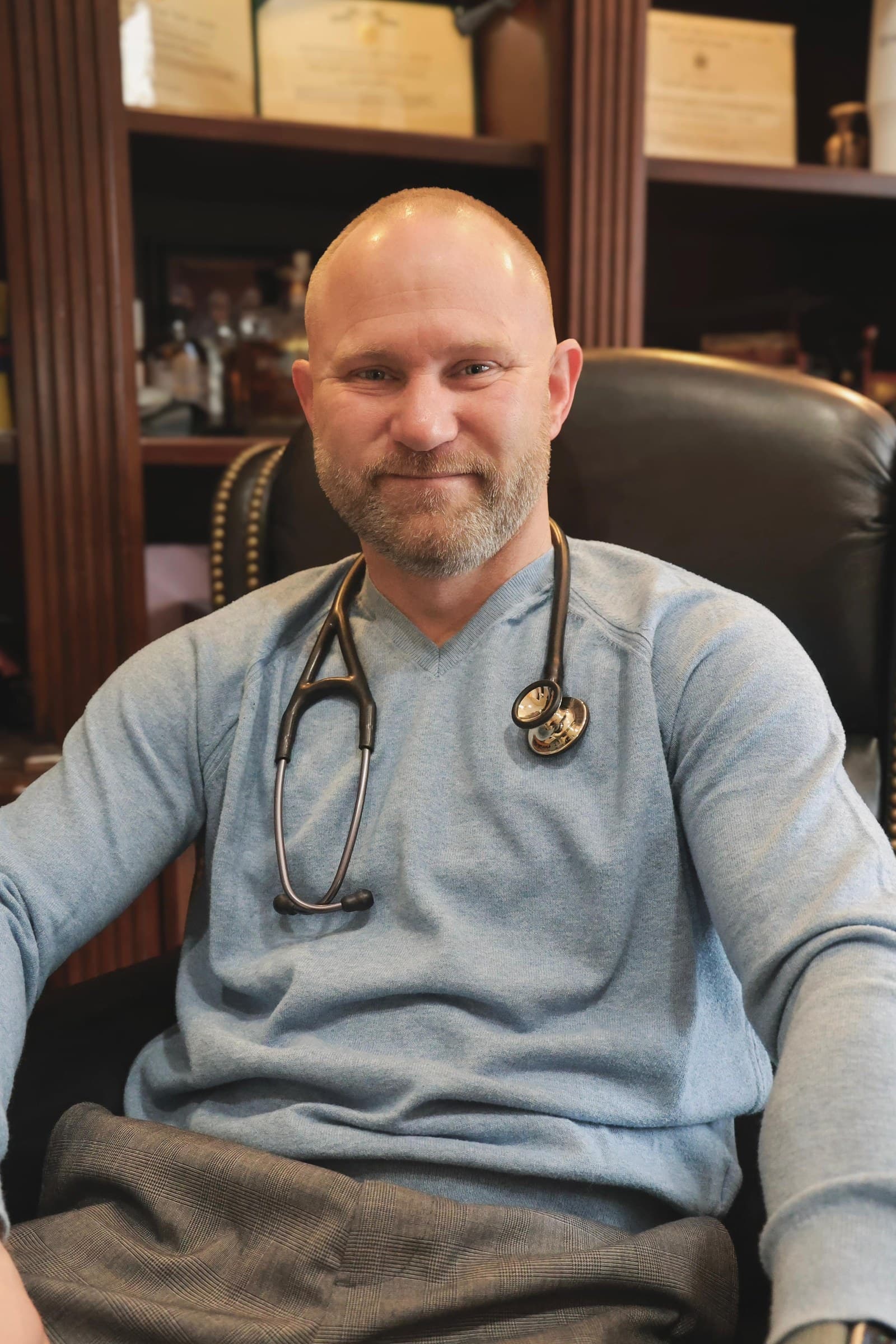
Yes. Adults searching for an online psychiatrist in New York may also find psychiatric mental health nurse practitioners who assess and treat mental health concerns within their professional scope. AccessMind care is provided by Steven Smith, PMHNP-BC, a psychiatric mental health nurse practitioner rather than a physician psychiatrist.
For telehealth, the patient’s physical location during the appointment matters. Federal telehealth guidance says behavioral health professionals must satisfy the licensing rules of the state where the patient is located. Steven’s New York nurse practitioner license can be checked through the state Office of the Professions verification service.
How much does an online psychiatric visit cost in New York?
The amount depends on the insurer, plan, deductible, service, and network status. AccessMind uses Headway for scheduling, insurance estimates, and billing. Review the current insurance and self-pay information, then enter your own plan in Headway to see an estimate before confirming an appointment.
Do not rely only on a logo or insurer name shown on a practice website. Plan participation can vary by state and product, and it can change. Ask whether the clinician is in network for your specific plan, what the estimated patient responsibility is, and whether the estimate could change after the claim is processed.
What happens when you book with AccessMind?
The AccessMind booking page collects basic contact and location details without asking for a clinical history. It then opens Steven’s Headway profile, where you can review current availability, provide insurance details securely, and choose a time.
Submitting contact information is not the same as confirming an appointment. The appointment is selected and confirmed on Headway. If you would rather ask a scheduling question first, call AccessMind using the number listed on the website.
What should you prepare for the first virtual visit?
Use a private, reasonably quiet place with a stable connection. Keep your photo identification, pharmacy information, medical history, current symptoms, treatment goals, and a list of medicines and supplements nearby. The FDA recommends keeping an updated medication list because it helps clinicians identify interactions and reduce medication errors.
A first visit is a clinical assessment, not a guaranteed prescription. Expect questions about symptoms, timing, sleep, health history, previous care, current treatment, safety, and what you want help with. Read what to expect at your first appointment for a fuller preparation checklist.
- Write down the two or three concerns affecting daily life most
- Bring medication names, doses, allergies, and past side effects
- Confirm where you will physically be during the visit
- Ask what follow-up, monitoring, and communication will look like
When should you use urgent or emergency care instead?
A website form and routine virtual appointment are not emergency services. Call or text 988 for crisis support. Call 911 for immediate danger, a suicide attempt, severe medical symptoms, or another life-threatening emergency.
This guide provides general education and does not determine whether telehealth, medication, therapy, or a particular clinician is right for an individual.